



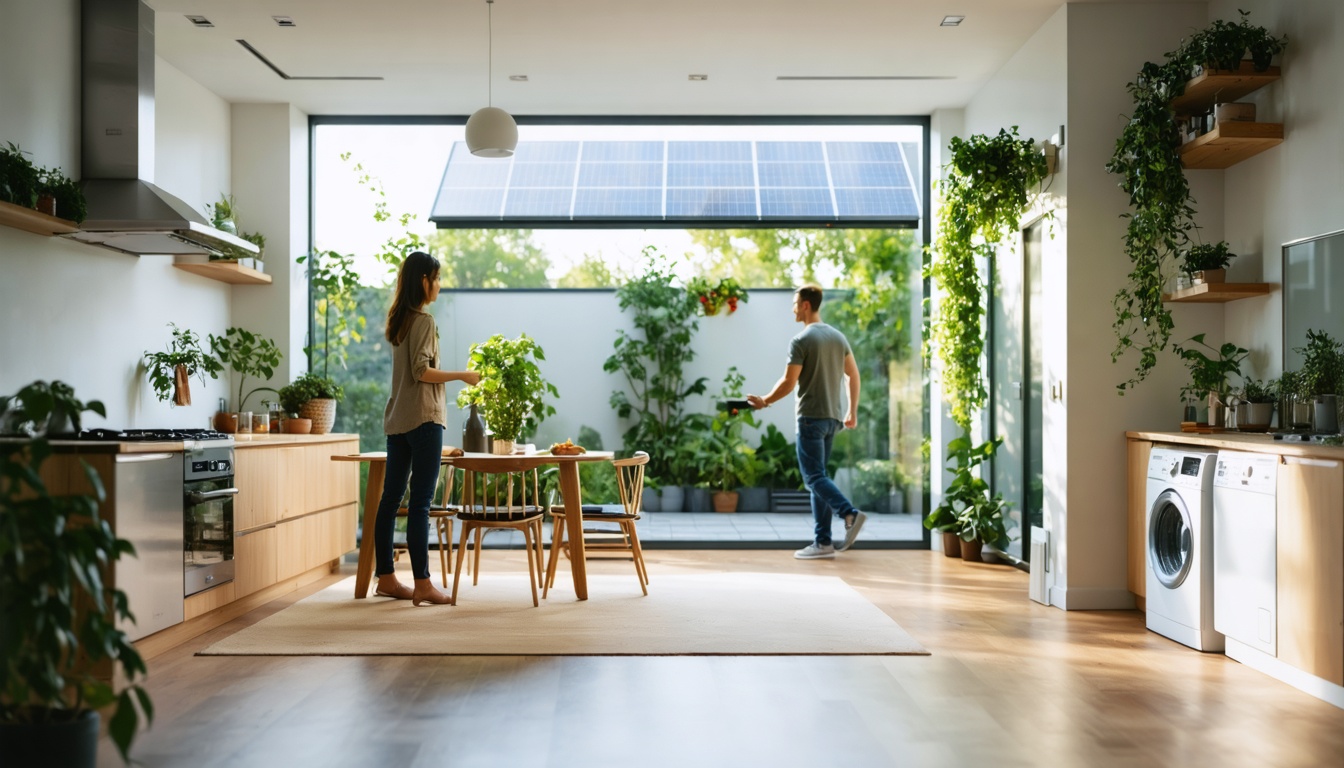
How Smart Energy Habits Can Reduce Household Electricity Waste
Electricity waste in households is a common issue that can be addressed through mindful energy use practices. Understanding the impact of various appliances and lighting on energy consumption is crucial for reducing overall electricity costs and minimizing environmental impact. Appliances often use power even when not in active use, known as phantom loads. For instance, devices such as chargers, televisions, and computers can draw energy when plugged in but not in use. Unplugging these devices or using smart power strips can mitigate this issue. In addition to appliance management, lighting accounts for a significant portion of household electricity use. Switching to energy-efficient bulbs, such as LED lights, not only reduces energy consumption but also lowers the frequency of replacements due to their longer lifespan. Furthermore, utilizing natural light whenever possible and installing timers or motion sensors can enhance energy savings. Daily routines also play a vital role in energy efficiency. Practices such as setting thermostats to appropriate temperatures, using cold water for laundry when feasible, and running dishwashers and washing machines with full loads can further reduce unnecessary electricity use. By adopting these practical habits, households can achieve noticeable reductions in energy consumption. These adjustments not only contribute to decreased utility bills but also support broader environmental sustainability efforts.
Understanding the Difference Between Energy Efficiency and Conservation
Energy efficiency and conservation are two strategies designed to lower energy consumption, each functioning in different ways. Energy efficiency is attained by employing technology that requires less energy to deliver the same outcome. For instance, using LED light bulbs or high-efficiency refrigerators can result in reduced energy costs, as these devices consume less energy compared to traditional alternatives.
On the other hand, energy conservation focuses on altering behaviors to decrease energy use. This can involve simple actions such as turning off lights when they are not needed or disconnecting devices that consume power when idle, commonly known as phantom power.
Additionally, maximizing the use of natural light during the day and ensuring doors are closed to reduce heat loss are practical measures that can lead to significant energy savings.
Furthermore, adopting smart systems, taking advantage of energy-saving incentives, using efficient water heaters, and properly managing power strips can enhance overall energy efficiency and conservation efforts.
These combined strategies can result in lower utility bills and a reduction in energy consumption, indicating that both energy efficiency and conservation are crucial components of effective energy management.
Common Mistakes That Lead to Household Energy Waste
Despite a growing awareness of energy-efficient practices, many households continue to engage in behaviors that lead to unnecessary energy consumption. Common instances include the habit of leaving lights on in rooms that are not in use, which results in increased electricity usage. Additionally, neglecting to switch to LED light bulbs can lead to higher electricity expenses, as these bulbs are significantly more energy-efficient than traditional incandescent options.
Another factor contributing to energy waste is the frequent opening of refrigerator doors. Each time the door is opened, cold air escapes, prompting the appliance to work harder to maintain its internal temperature. Over time, this increased demand can result in noticeable spikes in energy consumption.
Furthermore, it is essential to recognize the issue of phantom load, which occurs when devices and electronics remain plugged in, even when turned off. These devices continue to draw power, contributing to elevated energy bills without providing any functional benefit.
Certain household appliances, such as empty chest freezers and water heaters, can be particularly energy-consuming if not managed effectively. When these appliances are either not in use or not operating at their most efficient levels, they can lead to considerable energy waste over time.
To address these energy concerns, implementing straightforward strategies such as unplugging unused devices, turning off lights in unoccupied areas, and utilizing natural light whenever possible can result in measurable reductions in energy consumption and lower utility expenses.
Optimizing Appliance Usage for Greater Efficiency
Optimizing household appliance usage is a practical approach for reducing energy costs while ensuring a comfortable living environment. Implementing specific adjustments can yield measurable savings.
For example, using cold water for laundry significantly reduces the energy required for heating, which lowers overall electricity consumption. Additionally, setting the water heater to a temperature of 120°F can improve energy efficiency by minimizing heat loss and reducing energy use.
Operating dishwashers only when they are fully loaded contributes to lower energy consumption per cycle. Regular maintenance, such as cleaning HVAC air filters, is also advisable; this enhances system efficiency and can further lower operational costs.
Unplugging appliances or using smart power strips can help reduce phantom power loss, which occurs when devices draw energy even when they are turned off. Switching to LED light bulbs and ensuring that lights are turned off when not needed also play a significant role in improving energy efficiency.
Overall, these strategies highlight the impact of intentional appliance usage on cost savings and energy conservation.
Implementing Smart Technologies for Energy Management
The integration of smart technologies into residential energy management can improve efficiency and reduce operational costs. Smart thermostats enable users to customize heating and cooling schedules, potentially leading to energy savings and lower utility bills.
Smart power strips can address phantom energy consumption, which occurs when devices continue to draw power while not in active use. Motion-sensing light bulbs present a means of reducing unnecessary lighting by automatically turning off when no motion is detected. Transitioning to LED lighting and maximizing the use of natural daylight can further enhance energy conservation.
Additionally, smart monitoring systems can track the energy consumption of various appliances, such as refrigerators and water heaters, aiding users in understanding usage patterns and making adjustments that promote efficiency.
Overall, these strategies illustrate the potential for significant energy savings and highlight the importance of incorporating smart technologies for effective energy management in residential settings.
Financial Benefits of Reducing Electricity Consumption
The ongoing rise in energy costs significantly impacts household budgets, particularly for families managing tight finances. Transitioning to LED light bulbs and disconnecting devices that draw phantom power can lead to measurable monthly reductions on utility bills.
Small actions, such as turning off lights when they are not in use, utilizing natural sunlight, or upgrading to energy-efficient water heaters, can collectively result in notable decreases in energy consumption.
It is important to recognize that some common habits, like leaving the refrigerator door open or setting heating and cooling systems to extreme temperatures, can increase electricity expenses.
Implementing smart power strips can help reduce phantom energy consumption by automatically cutting off power supplied to inactive devices. Additionally, many utility providers offer incentives for adopting energy-efficient practices, which can enhance long-term financial savings.
Overall, these practices contribute to lower monthly expenses and promote better financial management through reduced energy usage. By incorporating these strategies, households can potentially improve their budget management and move toward a more responsible financial future.
Adopting Practical Daily Habits for Lower Energy Use
Electricity waste often occurs unintentionally; however, adopting intentional daily habits can lead to measurable reductions in energy consumption. One straightforward practice is turning off lights when leaving a room, which can contribute to lower energy usage.
Transitioning to LED light bulbs can also be effective, as these bulbs consume considerably less power than traditional incandescent bulbs, potentially leading to reduced utility expenses over time.
Utilizing natural light during daylight hours can reduce the need for artificial lighting. Furthermore, unplugging devices that are not in use can help mitigate phantom load, the term for the phenomenon in which electronics continue to draw power even when they are turned off.
When dealing with laundry, washing clothes in cold water can lead to savings on heating costs associated with hot water. Additionally, minimizing the time the refrigerator door is open can help maintain the interior temperature, ultimately reducing energy consumption from the appliance.
For more advanced energy conservation measures, the installation of smart motion sensors can automate the process of turning off lights in unoccupied rooms. Using power strips can facilitate better management of multiple devices and help reduce energy waste.
Regular maintenance of water heaters, including adjusting the thermostat to an optimal temperature, further enhances energy efficiency.
In summary, these practical modifications can lead to significant energy savings and promote a more sustainable approach to resource usage.
Upgrading Household Appliances and Lighting
A systematic approach to reducing energy consumption involves upgrading outdated household appliances and lighting to more energy-efficient models. Implementing LED light bulbs is an effective measure, as they utilize significantly less energy than traditional incandescent bulbs, leading to lower energy consumption and reduced monthly utility bills.
Upgrading major appliances, such as refrigerators, can improve energy efficiency further. Modern appliances are engineered to provide enhanced energy savings, particularly in scenarios where frequent door openings or the simultaneous use of multiple devices might increase consumption.
Incorporating smart technology, including programmable thermostats and intelligent water heaters, can optimize energy use by managing heating and cooling systems more efficiently. This approach may result in substantial long-term financial savings.
Moreover, the practice of unplugging devices when not in use, or using power strips, can help prevent phantom power—energy drawn by electronics in standby mode.
For additional strategies and information on potential incentives for energy conservation, it is advisable to consult resources focused on energy efficiency and cost-effectiveness, such as Solar Energy Solutions for Jacksonville Homes.
Adjusting to Seasonal Changes for Energy Savings
Understanding seasonal variations in energy consumption is essential for making practical adjustments that can lead to cost savings. In colder months, strategies such as wearing layered clothing, using blankets, and choosing heartier meals can lessen the need for heating, which may lower utility expenses.
In contrast, during warmer months, increasing air circulation by opening windows and doors, maintaining air conditioning settings above 26°C, and utilizing natural light can reduce dependency on artificial lighting.
Adopting energy-efficient practices can further contribute to reduced energy costs. Unplugging non-essential electronic devices, turning off lights when not in use, and switching to LED light bulbs are effective measures in this regard.
Additionally, optimizing laundry routines and adjusting refrigerator settings can help lower energy consumption expenses. These adjustments, while relatively simple, can collectively have a significant impact on long-term energy conservation and cost efficiency.
Monitoring and Assessing Home Energy Consumption
To effectively manage and reduce electricity consumption in the home, it is important to monitor and assess energy usage in an organized manner. The installation of a smart meter can facilitate real-time tracking of energy consumption, which allows homeowners to identify usage patterns and determine areas with high energy demand.
Appliances such as water heaters and refrigerators can consume energy continuously, even when not actively in use, making it crucial to monitor their consumption.
Furthermore, conducting an air leak test can identify areas where conditioned air may escape, enabling more effective sealing of doors and windows to improve indoor temperature control. Analyzing monthly utility bills alongside energy usage data can provide valuable insights into consumption trends and associated costs.
To address the issue of phantom load—where devices draw power even when switched off—it is advisable to unplug devices when they are not in use and to use power strips to disconnect multiple devices simultaneously.
Implementing small changes, such as turning off lights when not in use or replacing traditional bulbs with LED lighting, can contribute to a reduction in energy costs.
By utilizing these methods, homeowners can make informed choices that enhance energy efficiency and conservation within their residences.
Accessing Resources and Support for Energy-Saving Upgrades
If you are considering energy-saving upgrades, there are various resources available to assist in this process. Michigan Saves offers financial incentives and financing options that support investments in energy-efficient systems, such as HVAC systems, water heaters, and windows. These improvements can lead to lower energy costs over time.
Engaging authorized contractors can provide you with specific recommendations tailored to your energy use, ensuring that the chosen upgrades can effectively reduce consumption and potentially decrease utility expenses.
Furthermore, utility programs exist to assist consumers in making informed decisions that can reduce overall energy use. Simple measures, like transitioning to LED light bulbs, unplugging devices when they are not in use, and adopting smart meters, can lead to tangible energy savings.
Additionally, implementing small behavioral modifications—such as turning off unused lights and utilizing power strips for electronic devices—can further decrease energy consumption. Accessing relevant information regarding these strategies is generally straightforward, and by applying these recommendations, individuals may realize significant savings over time.
Conclusion
Making small adjustments to daily habits, investing in energy-efficient appliances, and utilizing smart technology can lead to a noticeable reduction in household electricity waste. These measures not only have the potential to lower energy costs but can also contribute to a decrease in your carbon footprint, thereby promoting environmental sustainability. Monitoring electricity usage is a crucial aspect of this process. By being aware of your consumption patterns, you can identify areas where energy is being wasted, allowing for targeted interventions. Additionally, there are numerous resources available, such as energy audits and efficiency programs, that provide valuable insights and assistance in implementing these changes. Adopting these practices fosters a more energy-efficient household, which can yield financial benefits while also supporting broader environmental goals. It is advisable to approach these changes systematically, focusing on both immediate and long-term strategies for improvement.